8 Creative Fundraising Ideas for Performing Arts Organizations
Blog · fundraising · marketing · Patron Engagement · By On The Stage
By On The Stage
Fundraising does more than bring in revenue. For performing arts organizations, it's a way to strengthen community connections, deepen audience engagement, and build a base of supporters who want to see you thrive.
And it doesn't have to mean relying on one big annual campaign. From local partnerships to automated donor outreach, there are plenty of ways to invite your community to support your work. Here are eight ideas to get started.
1. Sell Advertisements in Your Program
Your event program can be more than a home for show notes and cast bios. Selling ad space gives local businesses a way to reach your audience and gives you an extra source of revenue.
Pro tip: Offer a few ad sizes or tiers to fit different budgets. Restaurants, boutiques, museums, galleries, and other community businesses can all be great partners, so don't count anyone out. You can also make ads more appealing by bundling them with other promotional opportunities throughout your season.
2. Partner With Local Businesses
Your fundraising strategy doesn't have to stay within your walls. Local businesses can become valuable partners through sponsorships, fundraising nights, and other creative collaborations. For example, a restaurant might donate a percentage of sales on a designated night, or a local business could sponsor a performance, program, or education initiative.
3. Host a Themed Fundraising Event
Fundraising events give your community a reason to come together while supporting your organization, and they don't have to be complicated.
Try a themed trivia night, talent show, bingo night, auction, or community showcase. You could also build an event around a specific performance, your upcoming season, or a milestone like an anniversary. Keep the focus on a great experience, and look for natural ways to raise money through ticket sales, donations, sponsorships, raffles, or auctions.
4. Run a Peer-to-Peer Fundraising Campaign
In a peer-to-peer campaign, supporters create their own fundraising pages and invite friends, family, and their wider networks to give. This helps you reach people who may not know your work yet and bring them into the fold. It also makes giving feel personal: instead of a request from an organization, it's an invitation from someone they know to support something that person cares about.
5. Create a Challenge or Matching-Gift Campaign
A little urgency gives people a reason to give now rather than later. If you can, work with a major donor or business partner on a matching-gift challenge. For example, a donor might agree to match all gifts up to a set amount during a specific window.
No major donor lined up? Build a campaign around a milestone instead, such as reaching a certain number of donors or raising a set amount in 24 or 48 hours. Whatever the goal, make it easy to understand and easy to share.
6. Add Donations to the Ticket-Buying Journey
Not every fundraising opportunity needs its own campaign. Your ticketing process can give your audience a simple way to support you, too.
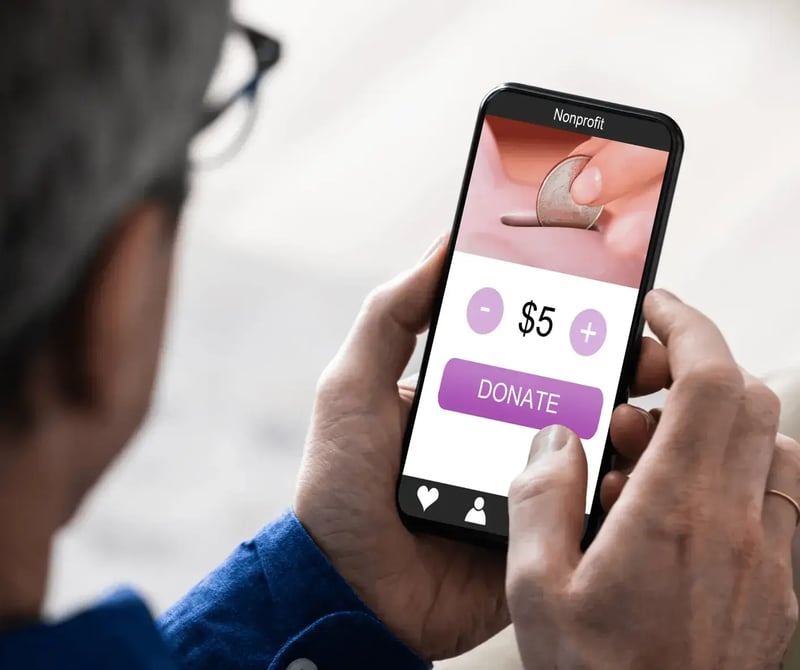
Offer an optional donation at checkout, or invite ticket buyers to contribute to a specific initiative. Small gifts add up quickly across a large audience.
7. Offer Sponsorship Packages
Sponsorships provide meaningful financial support while giving businesses a way to connect with new audiences. The key is to think beyond individual performances. Depending on your organization, you could offer sponsorships for an entire season, an education program, a community initiative, or a special event.
Create clear packages that spell out what sponsors receive in return, such as recognition in programs, email communications, or social media. Then tailor each one to fit your community.
8. Create a Recurring Giving Program
One-time gifts are valuable, but recurring donations create a more predictable source of support. Invite supporters to make a small monthly or annual gift rather than relying only on occasional campaigns. Recurring giving is also a natural next step for people who have already shown an interest in your work.
Turn One-Time Donors Into Ongoing Supporters
Fundraising doesn't end when a gift is made. Thoughtful follow-up is what turns a single contribution into an ongoing relationship. Thank donors, share the impact of their support, and keep inviting them to engage. Over time, a one-time donor might become a ticket buyer, subscriber, volunteer, member, or recurring supporter.
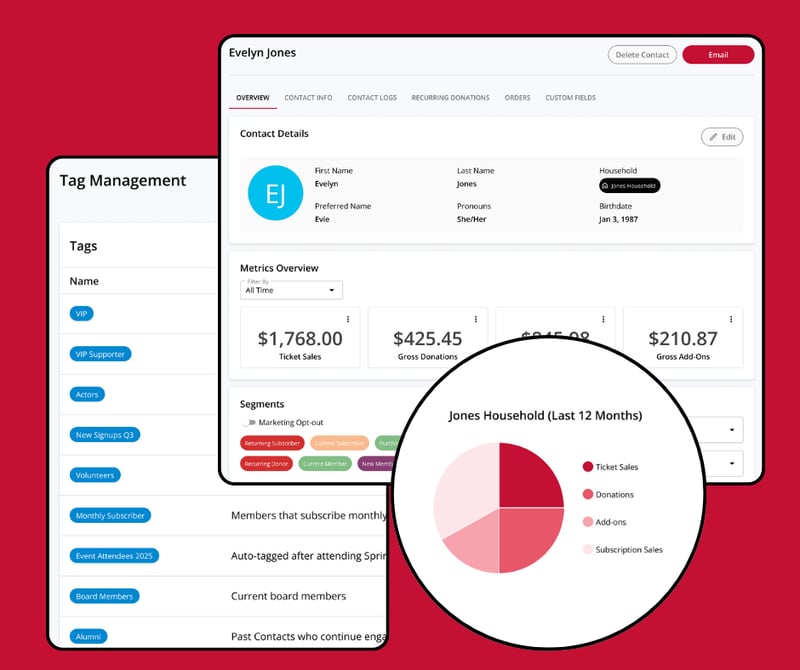
On The Stage makes that easier. You can launch campaigns, accept gifts, and keep donor information in one place, alongside your ticketing and marketing. Plays automatically send relevant outreach based on what patrons do and care about. You can use them to thank donors, encourage return visits, promote subscriptions, and invite future gifts, all without adding manual work.
In the end, fundraising is about more than money. It's about giving your community meaningful ways to take part in the work you do. Pair creative fundraising ideas with consistent, always-on engagement, and you'll build relationships that last well beyond any one event or campaign.